
How Long Should Appliances Last? A Bay Area Homeowner's Guide
Bay Area homeowners ask me this all the time: "How long should this thing actually last?" Knowing the realistic lifespan of each appliance helps you decide whether to repair, save up for a replacement, or splurge on a nicer model. Here are the numbers I give based on what I see on real service calls.
Refrigerators: 10–15 years
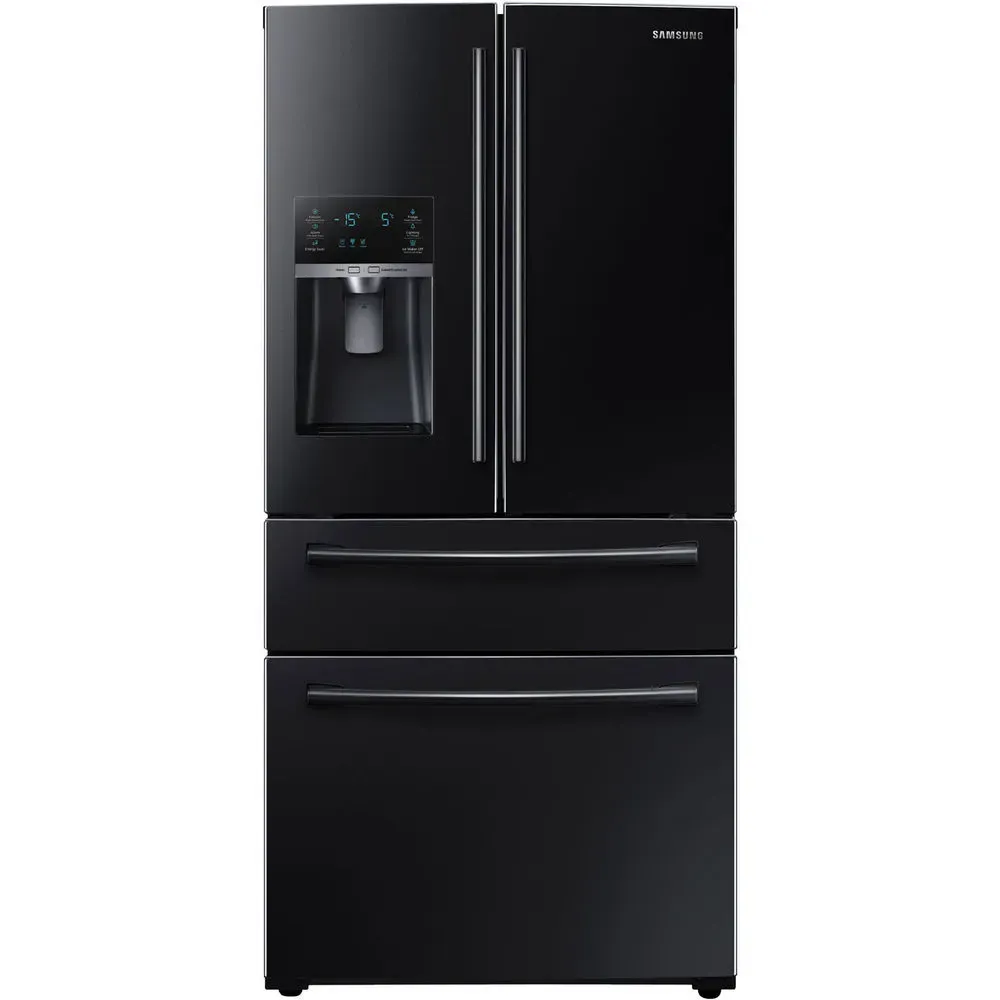
Standard top-freezer and side-by-side refrigerators average 13 years. French-door units with built-in ice and water tend to fail sooner — closer to 10 — because the dispensers and the ice maker add complexity. Sub-Zero and other premium built-ins are designed for 20+ years if maintained.
Dishwashers: 9–12 years
Dishwashers fall apart faster than the rest of the kitchen because they live in a hot, soapy, vibrating environment. Bosch and Miele run on the high end. Budget builder-grade units may need a major repair around year 7.
Washers: 10–14 years
Front-loaders generally outlast top-loaders at the high end of the market. Cheap top-loaders may only make it to 8–9 years. Stackable and combo units are tougher to repair late in life because parts access is restricted by the cabinet design.
Dryers: 13–15 years
Dryers are mechanically simple — drum, motor, heating element, thermal fuses. They tend to outlive the matched washer that came with them, and a single repair (heating element, drum belt, bearings) often buys five more years.
Ovens, ranges, cooktops: 12–15 years
Gas ranges with mechanical controls last the longest. Electric induction cooktops are surprisingly durable, but the touch controls fail before the cooking elements do. Wall ovens average 13 years; double-ovens slightly less because you double the component count.
Microwaves: 7–9 years
The shortest-lived major appliance. Magnetron tubes, door switches, and transformers wear out predictably. Built-in and over-the-range models are worth fixing at year 5–6; countertop microwaves usually aren't.
Garbage disposals: 8–12 years
Higher horsepower (3/4 to 1 HP) units last the longest. Cheap builder-grade 1/3 HP disposals on Bay Area new construction often fail by year 6.
Furnaces and AC units: 15–25 years
Gas furnaces commonly last 18–20 years; AC condensers and heat pumps run shorter — 12–15 years in most Bay Area homes. Annual servicing makes a real difference here. A neglected unit might die at 10; a serviced one will hit 18+ on the same hardware.
How to actually get the higher number
- Clean refrigerator condenser coils once a year.
- Run a dishwasher cleaner cycle once a quarter.
- Vacuum dryer lint trap and vent run every 6 months.
- Replace HVAC filters on the schedule the manufacturer specifies.
- Don't ignore unusual sounds — they're cheaper to fix early.
If something in your kitchen is past its average and starting to show its age, get a diagnostic before it fails completely. We cover all major appliance categories across the Bay Area, with a 3-month warranty on every repair.
Have a question about whether to repair? Call (650) 691-3065 and I'll give you a straight answer.
Need refrigerator repair today?
We answer the phone same day. Free diagnostic with repair. 3-month warranty on parts AND labor.
(650) 691-3065Keep reading
Is Your Garbage Disposal Broken or Just Jammed?
Hum but no grind? Click but no hum? Five-minute diagnostic to tell jam from a broken disposal — and when to call a pro.
ReadIce Maker Not Working? These Are the Most Common Causes
Frozen line, clogged filter, bad valve, dead module — the five things to check when the ice maker stops making ice.
ReadHow to Extend the Life of Your Kitchen Appliances
The short list of monthly habits that make the difference between an 8-year and a 14-year appliance.
Read